The Hidden Asset on Your Balance Sheet: Stress Resilience for CPAs
January 16, 2026
By Kaitlin Elizabeth Borncamp, CPA (CO), NTP
In the world of accounting, we’re relied on to deliver with high accuracy while maintaining strong productivity and utilization. One thing is for certain: whether you’re in public accounting or part of an internal accounting team, the constant stream of internal and external deadlines can take its toll.
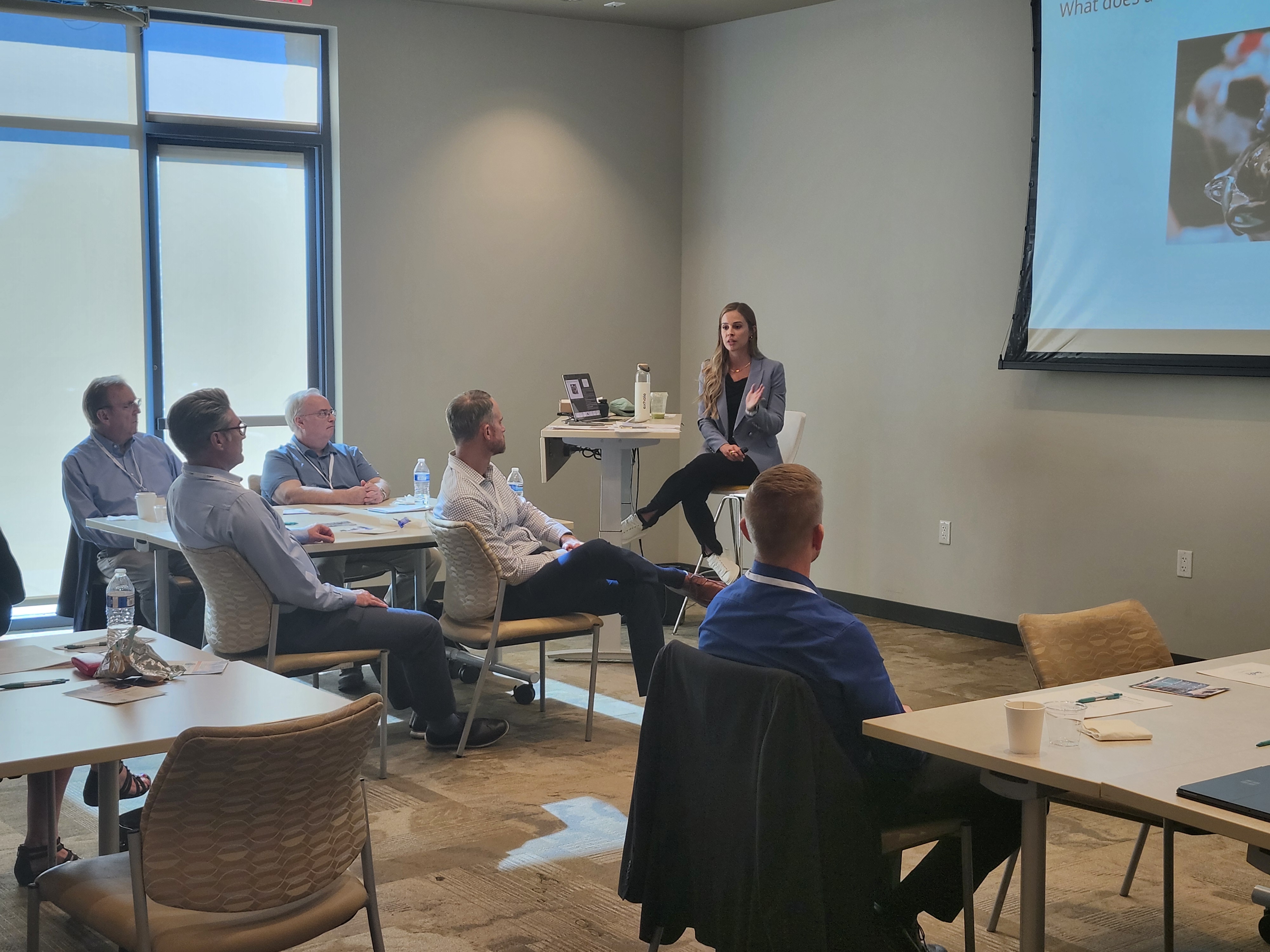
Kaitlin Borncamp presenting at ASCPA Converge 2025
As deadlines tighten and regulations change, our industry continues to feel the toll of burnout and fatigue. But there’s one asset that rarely gets a line on the balance sheet — stress resilience.
Firms that prioritize wellbeing and stress regulation are finding an edge — not just in retention, but in performance. To stay sharp in this rapidly changing environment, CPAs need more than technical skills. They need the capacity to recharge and recover in real time.
It’s time to reframe resilience not as a soft skill, but as a strategic advantage for CPA firms and practitioners.
Here are three critical areas where building stress resilience leads to a stronger team culture, sharper thinking and better business outcomes.
One — Build a Culture of Resilience
Firm leaders have the opportunity to find new ways of working that promote resilience and wellbeing. It’s not simply for the sake of appealing to the younger generations that are entering into the accounting industry; there are significant business benefits to be had. Afterall, an organization is only as strong as the people in it.
As my dad — a retired CPA and CFA, used to say:
“After all my years of doing taxes, I’ve never seen a corporation walk through the door.”
Stress resilience is no longer something we can delegate to wellness apps or once-a-year HR initiatives. It needs to be woven into the fabric of the firm’s culture — and that starts with leadership.
Resilient cultures are built intentionally with regular practices that support disconnecting, professional boundaries and setting realistic expectations. This means:
- Encouraging PTO and recovery time after busy seasons.
- Establishing clear expectations on the team’s working hours and response times.
- Acknowledging stressful periods and providing regular appreciation for the effort of team members.
- Hosting team wellness events and making them part of the calendar— not just a suggestion.
When team members see leaders modeling healthy boundaries and performance habits, it normalizes the behavior across all levels. This cultural shift leads to more resilient teams with increased productivity, and fewer personal and sick days. In the long run, it leads to lower turnover and better client service for both internal and external stakeholders.
Two — Amplify Performance with Personal Habits
While leadership sets the tone, it’s important for each practitioner to take responsibility and feel empowered to manage their own wellbeing.
It’s helpful to point out that stress resilience isn’t just about meditation or bubble baths — it’s also about how we fuel, move and regulate our bodies so we can meet the demands of the job.
Many CPAs I work with fall into one of three camps — perfectionist, people pleaser or all-or-nothing thinker.
All lead to significant levels of self-induced stress. If that’s you, you’re not alone. These patterns often lead to inconsistent habits, guilt when we “slip,” and the classic line: “I’ll get back on track when things slow down.”
The good news is healthy habits for CPAs don’t require perfection! But it does mean having non-negotiables in place that support focus, energy and long-term health.
As a baseline, I teach three nutrition non-negotiables that can deliver consistent energy, focus and resilience — even during your busiest weeks:
- Prioritize Protein: Aim for eating 30g+ of protein and a source of high-quality fat in your first meal of the day. This helps stabilize blood sugar, supports brain function and minimizes midday crashes.
- Balance Blood Sugar: Use the D.I.P. formula when building meals —Double the veggies, Increase protein, Pull back on carbs — and go for a short walk after meals when possible.
- Engineer Your Environment: You don’t need more willpower; you need to make it easier to succeed. Keep a full water bottle at your desk, pre-order healthy meals during busy weeks and don’t keep high-sugar snacks in arm’s reach.
Stress resilience doesn’t require hours of free time. It requires a plan. And that shift can transform how CPAs perform during high-stakes projects or long workweeks.
Three — Leverage Existing Firm Benefits
One surprising truth? Most CPA firms already provide excellent health and wellness benefits, but they’re often underutilized.
Whether it’s mental health sessions, nutrition coaching stipends, gym reimbursements or health challenges, most firms have a menu of really great tools available to support the wellbeing of its people. What’s missing is awareness and adoption.
Firms can change this by:
- Highlighting available benefits in regular team communications and seasonal refreshers.
- Avoid pointing to company benefits as a ‘list of links’. Rather, have leaders share how they utilize the firm benefits and the impact they’ve experienced.
- Hosting engaging wellness sessions on new topics periodically with wellness partners.
- Sponsoring coaching programs for promising high performers or those recently promoted.
Don’t let your firm’s wellness strategy go underutilized. Create a culture of wellbeing with strategic communications and events.
Final Thoughts
Just like a financial statement, our health tells a story. The inputs we choose — food, movement, sleep, mindset — are like journal entries. Over time, they compound into a trend. When firms and practitioners treat stress resilience as a core priority, not a luxury, they unlock better focus, higher retention and sustainable success in the accounting field.